Introduction
In the realm of plant reproduction, successful pollination often relies on various factors, including an abundance of mates and efficient pollinators. However, certain plant species have demonstrated remarkable adaptations that allow them to thrive even in environments with limited mating opportunities or scarce pollinators. Among these exceptional plants is a resilient European herb that has devised a strategy for survival: self-pollination. With this intriguing strategy, the plant ensures its reproductive success against all odds.
Understanding Self-Pollination
Self-pollination occurs when pollen from the male anther (pollen-producing organ) of a flower is transferred to the female stigma (pollen-receiving organ) of the same flower or another flower on the same plant.
The ingenious self-pollinating herb from Europe possesses specific physical traits that aid in this efficient self-pollination process.
Structural Adaptations for Self-Pollination:
1. Cleistogamy: Some flowers of this herb undergo cleistogamy, a condition where fertilization occurs within closed, non-opening flowers. By keeping the reproductive organs enclosed, pollen transfer from the stamen to the stigma is effectively assured.
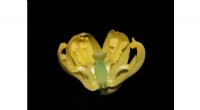
2. Automatic Self-Pollination: Another adaptation involves the flower's structure and timing. Once mature, anthers containing pollen can come into contact with the stigma of the same flower, leading to self-pollination without external assistance. In some cases, flowers automatically curl inwards, allowing their anthers and stigmas to connect and exchange pollen.
The Advantages of Self-Pollination:
1. Reproductive Assurance: Through self-pollination, the plant eliminates the dependence on cross-pollination, thus ensuring successful fertilization regardless of the availability of mates or pollinators. This reproductive assurance translates into increased seed and fruit production, maximizing the chances of survival even in populations with fewer individuals.
2. Energy Conservation: By avoiding the energy-intensive process of attracting pollinators, such as producing nectar or colorful petals, the self-pollinating herb conserves valuable resources. These resources can instead be channeled towards seed production, enhancing overall reproductive fitness.
3. Genetic Diversity: While self-pollination can limit genetic diversity in some plant populations, for this particular herb, the limited number of individuals and mates encourages occasional cross-pollination by chance. This maintains a delicate balance, allowing for potential gene flow when more favorable conditions arise.
Examples of Self-Pollinating Herbs:
Several European herbs demonstrate exceptional self-pollinating abilities:
A. Field Pansy (Viola arvensis): A small, sprawling wildflower with small purplish or whitish flowers that practice self-pollination efficiently.
B. Yellow Wood Sorrel (Oxalis stricta): Its small, bright yellow flowers can both engage in self-pollination and cross-pollination when pollinators are accessible.
C. White Clover (Trifolium repens): Widely recognized in lawns and meadows, white clover thrives using both cross-pollination and self-pollination.
Conclusion:
The self-pollinating prowess of this remarkable European herb serves as a testament to nature's adaptability and diversity. Equipped with ingenious structural modifications and bypassing the need for external assistance, this resilient plant successfully secures its reproductive success, thriving despite limited mates or pollinators. Understanding these mechanisms provides valuable insights into plant evolution and reproductive strategies in varying environmental conditions.