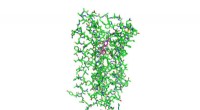
The answer lies in the composition of the venom. Snake venom is a complex mixture of proteins, enzymes, and other chemicals that work together to immobilize and kill prey. The specific components of the venom can vary depending on the species of snake, and it is these differences that account for the varying degrees of toxicity.
Factors that Determine Venom Toxicity
Several factors contribute to the potency of snake venom:
1. Venom composition: The type and concentration of toxins present in the venom determine its toxicity. Some toxins, such as neurotoxins, directly affect the nervous system and can cause paralysis and respiratory failure. Others, such as cytotoxins, destroy cells and tissues, leading to necrosis and tissue damage.
2. Venom yield: The amount of venom that a snake can inject with a single bite also impacts its toxicity. Snakes with a higher venom yield can deliver a more significant amount of toxins into the victim's body, increasing the risk of severe envenomation.
3. Snake size: Larger snakes generally produce more venom than smaller snakes. This is because they have larger venom glands and a more substantial body mass to support venom production. However, it is important to note that size alone does not determine venom potency, as some smaller snakes may have exceptionally toxic venom.
4. Geographic location: The geographic location of a snake can also influence its venom potency. Snakes found in tropical regions tend to have more potent venom than those found in colder climates. This is because the high temperatures in tropical environments accelerate the metabolic processes of snakes, leading to increased venom production.
Variation Within Species
It is important to note that even within the same snake species, there can be some variation in venom potency. This is because venom production is influenced by various factors, such as diet, environmental conditions, and individual health. As a result, even snakes of the same species may have venom that differs in toxicity.
Understanding the composition and potency of snake venom is crucial for developing effective treatments for snake bites. Antivenom therapies are designed to neutralize the toxins present in the venom and prevent severe envenomation. By understanding the specific venom profile of different snake species, scientists can develop targeted antivenoms that can save lives.