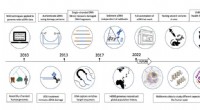
One of the most important ways that big data is helping to reveal the diversity of species is through DNA sequencing. DNA sequencing allows scientists to determine the genetic makeup of organisms, which can then be used to identify new species and track the evolutionary relationships between different species. For example, a recent study used DNA sequencing to identify 10 new species of fish in the Amazon rainforest.
Big data is also helping scientists to track the distribution of species. By collecting data on the locations of different species, researchers can create maps that show where species are found and how their distributions are changing over time. This information can be used to identify areas that are important for conservation, as well as to track the spread of invasive species. For example, a recent study used big data to track the spread of the emerald ash borer, an invasive species that is killing ash trees in North America.
Finally, big data is helping scientists to understand the relationships between different species. By analyzing data on the interactions between different species, researchers can learn about how species depend on each other and how they compete with each other. This information can be used to understand how ecosystems function and how they are changing over time. For example, a recent study used big data to understand the relationships between different species of plants and animals in the Serengeti ecosystem in Africa.
In conclusion, big data is a powerful tool that is helping scientists to reveal the diversity of species on Earth. By collecting and analyzing vast amounts of data, researchers are able to identify new species, track the distribution of species, and understand the relationships between different species. This information is essential for conservation and for understanding how ecosystems function.