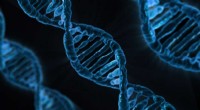
The genome is the complete set of DNA in an organism. It is made up of four different types of nucleotides: adenine (A), thymine (T), guanine (G), and cytosine (C). These nucleotides are arranged in a specific order, which determines the genetic code. The genetic code is read by cells to produce proteins, which are the building blocks of all living things.
In addition to providing instructions for protein synthesis, the genome also contains information about the structure and function of an organism. This information is organized into functional micro-architectures, which are small-scale structures that carry out specific tasks. Functional micro-architectures include genes, promoters, enhancers, and silencers.
Genes are the basic units of heredity. They are located on chromosomes, which are thread-like structures in the nucleus of cells. Each gene contains instructions for making a specific protein.
Promoters are regions of DNA that control the expression of genes. They are located upstream of genes, and they bind to proteins called transcription factors. Transcription factors are responsible for initiating the transcription of genes into RNA.
Enhancers are regions of DNA that enhance the expression of genes. They are located either upstream or downstream of genes, and they bind to proteins called co-activators. Co-activators are proteins that help to recruit RNA polymerase, the enzyme that transcribes genes into RNA.
Silencers are regions of DNA that repress the expression of genes. They are located either upstream or downstream of genes, and they bind to proteins called co-repressors. Co-repressors are proteins that help to recruit histone deacetylases, enzymes that remove acetyl groups from histones. Acetyl groups are chemical modifications that loosen the structure of chromatin, the complex of DNA and proteins that makes up chromosomes. When histones are deacetylated, chromatin becomes more condensed, which makes it more difficult for RNA polymerase to access genes.
The genome is a complex and dynamic structure that is constantly being regulated to ensure that cells have the proteins they need to function properly. Functional micro-architectures play a critical role in this regulation by controlling the expression of genes.
The genome sets its functional micro-architecture through a complex process of gene regulation. This process involves the interaction of multiple proteins and DNA sequences, and it is essential for ensuring that cells have the proteins they need to function properly.