Here's an overview of how microbes assisted life in colonizing land:
Mycorrhizal Symbiosis:
- One of the most significant contributions of microbes to life's colonization of land is the formation of mycorrhizal associations with plants.
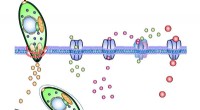
- Mycorrhizal fungi form symbiotic relationships with plant roots, creating an intricate network known as the mycorrhizal network.
- Through this network, the fungi help plants access water and nutrients, especially those present in low concentrations or less accessible forms in the soil. In return, the plant supplies the fungus with carbohydrates and other nutrients.
- Mycorrhizal associations provided a vital advantage to early land plants, allowing them to successfully establish and expand on land, where nutrient availability was often limited compared to aquatic environments.
Nutrient Cycling:
- Microbes play a critical role in nutrient recycling, a process that converts organic matter into forms that plants can utilize.
- By decomposing dead plants and animals, microbes release essential elements such as nitrogen, phosphorus, and potassium back into the soil, making them available for uptake by plants.
- Efficient nutrient cycling supported plant growth and ecosystem productivity on land.
Soil Formation and Weathering:
- Microbes contribute to the weathering of rocks and the formation of soil, creating a suitable substrate for plant growth.
- By releasing organic acids, microbes break down minerals in rocks, gradually converting them into soil particles and releasing nutrients into the environment.
- Soil development was crucial for the establishment of terrestrial ecosystems, providing a stable and supportive medium for plant growth.
Nitrogen Fixation:
- Certain groups of microbes possess the ability to fix atmospheric nitrogen, converting it into a usable form for plants.
- Nitrogen is a vital nutrient for plants, but atmospheric nitrogen is inaccessible to most organisms. Nitrogen-fixing microbes make this essential element available to plants, promoting their growth and productivity.
- This capability was particularly important in early terrestrial environments where nitrogen availability was limited.
Biofilms and Protection:
- Microbes form biofilms, which are layers of microorganisms that adhere to surfaces. These biofilms can protect plants from desiccation, excess sunlight, and pathogens.
- Biofilms create a favorable environment for plant growth by regulating moisture levels and providing a barrier against harsh conditions.
These microbial contributions provided the necessary conditions for life to establish and thrive on land. The interactions between microbes and early land plants laid the foundation for the diverse and complex terrestrial ecosystems we see today, shaping the course of life's evolution and ecological interactions.