*P. aeruginosa* is a common bacterium that can cause a variety of infections, including pneumonia, urinary tract infections, and skin infections. It is particularly dangerous for people with weakened immune systems, such as those with cystic fibrosis or cancer.
One of the ways that *P. aeruginosa* causes infection is by competing with other bacteria for essential nutrients. The bacterium produces a variety of compounds that can inhibit the growth of other bacteria, and it can also scavenge for nutrients that other bacteria need to survive.
In their study, the UCI researchers showed that *P. aeruginosa* produces a compound called pyocyanin that can inhibit the growth of other bacteria. Pyocyanin is a blue-green pigment that is produced by *P. aeruginosa* when it is growing under certain conditions. The researchers found that pyocyanin can damage the DNA of other bacteria, making it difficult for them to grow and reproduce.
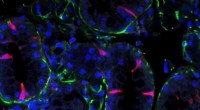
The researchers also showed that *P. aeruginosa* can scavenge for iron, an essential nutrient for bacteria. The bacterium produces a protein called pyoverdine that can bind to iron and transport it into the cell. Pyoverdine is fluorescent, so the researchers were able to use it to track the movement of iron into *P. aeruginosa* cells.
The findings of this study could lead to new strategies for preventing and treating infections caused by *P. aeruginosa*. For example, it may be possible to develop drugs that inhibit the production of pyocyanin or pyoverdine, or to use these compounds to target *P. aeruginosa* cells specifically.