Heat shock response: When cells are exposed to high temperatures, they activate the heat shock response pathway. This pathway triggers the production of heat shock proteins (HSPs), which help stabilize and repair damaged proteins, prevent protein aggregation, and maintain cellular homeostasis.
Chaperone proteins: Chaperone proteins assist in protein folding and prevent protein misfolding or aggregation under stressful conditions. They become more active in response to heat or other environmental stresses, protecting cellular proteins and maintaining their proper function.
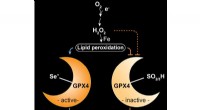
Antioxidant defense: Global warming can lead to increased production of reactive oxygen species (ROS), which can cause oxidative stress and damage cellular components. Cells respond by enhancing their antioxidant defense systems, including the production of antioxidant enzymes such as superoxide dismutase, catalase, and glutathione peroxidase. These enzymes scavenge ROS and protect against oxidative damage to proteins, lipids, and DNA.
DNA repair mechanisms: Environmental stresses can cause DNA damage, which can lead to mutations and cell death. Cells activate DNA repair mechanisms such as base excision repair, homologous recombination, and non-homologous end joining to repair DNA damage and maintain genomic integrity.
Changes in gene expression: Cells can adapt to changing environmental conditions by altering their gene expression patterns. Transcription factors and regulatory proteins sense environmental cues and modulate gene expression to produce proteins that are necessary for survival and adaptation in harsh conditions. For example, cells may upregulate the expression of genes involved in heat tolerance, water conservation, and detoxification in response to global warming.
Membrane remodeling: Cells can modify the composition and structure of their cell membranes to cope with environmental stress. Changes in membrane fluidity, lipid composition, and membrane protein expression help maintain membrane integrity, reduce water loss, and protect against thermal stress.
Metabolic adjustments: Cells adjust their metabolic pathways to adapt to environmental challenges. They may shift energy production towards more efficient pathways or modify nutrient utilization to withstand stress conditions.
Enhanced energy production: Some cells respond to environmental stress by increasing energy production to meet the demands of stress response mechanisms. They may upregulate mitochondrial activity, increase glucose uptake, or enhance glycolysis to generate ATP and produce the energy needed for stress responses and cellular repair.
By employing these cellular response mechanisms, cells can enhance their resilience, survive under challenging conditions, and maintain cellular function in the face of environmental stresses associated with global warming.