Cell Membrane:
- The cell membrane acts as a barrier, selectively allowing substances in and out of the cell. It protects the cell's internal components by regulating the movement of molecules and preventing harmful substances from entering.
Cytoskeleton:
- The cytoskeleton, composed of protein filaments and tubules, provides structural support to the cell. It helps maintain cell shape, facilitates cellular movement, and protects organelles from mechanical stress.
DNA Repair Mechanisms:
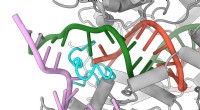
- Cells have various mechanisms to repair damaged DNA, such as DNA replication repair and DNA damage checkpoints. These mechanisms help maintain the integrity of the genetic information and prevent mutations that could lead to diseases like cancer.
Antioxidants:
- Cells produce antioxidants, such as glutathione and vitamin C, to neutralize harmful free radicals. Free radicals are highly reactive molecules that can damage cellular components, including DNA, proteins, and lipids.
Heat Shock Proteins:
- Heat shock proteins are produced in response to various stressors, including heat, oxidative stress, and inflammation. They help protect cellular proteins from damage and facilitate protein folding and repair.
Lysosomes:
- Lysosomes are membrane-bound organelles that contain digestive enzymes. They help digest and recycle worn-out cell components, as well as foreign particles and pathogens that enter the cell.
Apoptosis (Programmed Cell Death):
- Apoptosis is a regulated process of cell death that occurs when a cell is damaged or no longer needed. It prevents the accumulation of damaged cells and helps maintain tissue homeostasis.
Immune Response:
- Cells can recognize and respond to pathogens through the immune system. Specialized cells, such as macrophages, neutrophils, and natural killer cells, help eliminate pathogens and infected cells.
Autophagy:
- Autophagy is a process by which cells break down and recycle their own components. It helps maintain cellular homeostasis, eliminates damaged organelles, and provides energy during nutrient deprivation.
ER Stress Response:
- The endoplasmic reticulum (ER) is an organelle involved in protein synthesis and folding. When the ER becomes stressed due to factors like protein misfolding, it triggers the unfolded protein response to reduce stress and prevent cell damage.
Mitochondrial Quality Control:
- Mitochondria are the energy centers of the cell. Cells have mechanisms to monitor mitochondrial function and eliminate damaged or dysfunctional mitochondria through processes such as mitophagy.
These protective mechanisms work together to maintain cellular homeostasis, prevent damage, and ensure the proper functioning of cells.