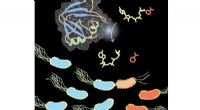
1. SYMBIOSIS RECEPTOR-LIKE KINASE (SYMRK):
SYMRK is an essential gene that serves as the gatekeeper for symbiotic interactions. It encodes a receptor-like kinase, a protein that acts as a sensor on the plant's cell surface. SYMRK recognizes specific signals released by beneficial microorganisms, initiating the molecular dialogue that leads to symbiosis formation.
For instance, in the legume-rhizobia symbiosis, SYMRK detects the flavonoid signals secreted by rhizobial bacteria. Upon recognition, SYMRK triggers downstream signaling events that facilitate root hair curling and the formation of infection threads, which guide rhizobia into the plant's root nodules.
2. CYCLOPS (CYC):
CYC plays a crucial role in the regulation of arbuscular mycorrhizal (AM) symbiosis, which enhances a plant's nutrient uptake capabilities, especially phosphorus. CYC encodes a transcription factor, a protein that controls the expression of other genes.
In the absence of AM fungi, CYC suppresses the expression of genes involved in mycorrhiza formation. However, when AM fungi are present, CYC is downregulated, allowing the activation of these genes and the subsequent establishment of the symbiosis.
CYC's precise regulation involves a complex interplay with other signaling pathways. For example, in the model plant Medicago truncatula, CYC interacts with a calcium sensor protein, DMI3, to fine-tune the expression of AM-related genes.
3. INFECTED ROOT (IRT):
IRT is a master regulator of beneficial root interactions with nitrogen-fixing rhizobia, phosphate-solubilizing bacteria, and mycorrhizal fungi. It encodes a small secreted cysteine-rich peptide that acts as a signal molecule.
IRT promotes the recruitment and colonization of beneficial microbes by altering the root's exudate profile, attracting the desired microbial partners to the rhizosphere (the region surrounding the roots). This signaling mechanism is essential for the establishment and persistence of symbiotic associations.
In addition to these three key genes, other important players contribute to plant symbioses. The ongoing research on these genes will not only enhance our understanding of plant-microbe interactions but also provide practical applications for improving crop yields, sustainable agriculture, and the restoration of degraded ecosystems.