1. Human Health:
- Immune System Development and Function: The trillions of microbes residing in and on our bodies (collectively known as the microbiome) interact with our immune system, contributing to its development and function. Some beneficial bacteria help regulate immune responses, reduce inflammation, and protect against infections.
- Gut Health: The gut microbiome plays a vital role in digestion, nutrient absorption, and the production of essential vitamins. Disruptions in the gut microbial balance have been linked to various health conditions, including obesity, Crohn's disease, and irritable bowel syndrome (IBS).
- Infectious Diseases: Microbial interactions can cause infectious diseases when harmful microbes gain entry into the body and disrupt normal functions. Understanding these interactions is crucial for developing effective treatments and prevention strategies.
2. Environment:
- Biogeochemical Cycling: Microbes are essential for the cycling of nutrients, such as carbon, nitrogen, and phosphorus, within ecosystems. They participate in processes like decomposition, nitrogen fixation, and nutrient mineralization, ensuring the availability of vital elements for plant growth.
- Pollution Degradation: Many microbes have the ability to break down and detoxify pollutants in the environment, including heavy metals, oil spills, and organic compounds. These microbial interactions help mitigate the harmful effects of environmental contamination.
- Wastewater Treatment: Microbial communities are utilized in wastewater treatment plants to decompose organic matter and remove contaminants, thereby contributing to water purification and pollution control.
3. Agriculture:
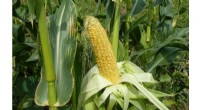
- Nitrogen Fixation: Certain bacteria and archaea have the unique ability to convert atmospheric nitrogen into forms that plants can use for growth. This process, known as nitrogen fixation, is essential for sustainable agriculture and reduces the need for synthetic nitrogen fertilizers.
- Biofertilizers and Biopesticides: Beneficial microbes can be used as biofertilizers to enhance nutrient availability and promote plant growth, reducing the reliance on chemical fertilizers. Microbial biopesticides offer natural pest control solutions, minimizing the environmental impact of conventional pesticides.
4. Food Production:
- Fermentation: Microbial interactions play a central role in the fermentation process, which is vital for the production of food items like yogurt, cheese, bread, and alcoholic beverages. Fermentation improves food preservation, taste, texture, and nutritional value.
- Food Spoilage: Microbial interactions can also lead to food spoilage, causing degradation and undesirable changes in food quality and safety. Food preservation techniques aim to control or inhibit the growth of spoilage-causing microorganisms.
In conclusion, microbial interactions have a profound influence on our lives, with their effects seen in human health, the environment, agriculture, and food production. Understanding these interactions is critical for harnessing the beneficial impacts of microbes while mitigating their detrimental effects. Ongoing research in microbiology continues to unveil the intricate dynamics and applications of microbial interactions, shaping our future and fostering a more sustainable and harmonious relationship between microorganisms and humanity.