Soap molecules are amphipathic, meaning they have both hydrophilic (water-loving) and hydrophobic (water-hating) regions. This allows them to interact with both water and oil-based substances. When soap is added to water, the hydrophilic heads of the soap molecules orient themselves towards the water, while the hydrophobic tails orient themselves away from the water. This creates a layer of soap molecules at the interface between the water and the oil-based substance, which helps to break up the oil-based substance into smaller droplets.
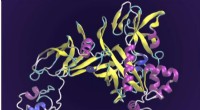
Proteins are also amphipathic, and they can interact with soap molecules in a similar way. When a protein is exposed to soap, the hydrophobic regions of the protein interact with the hydrophobic tails of the soap molecules. This causes the protein to unfold, or denature. This process can be helpful for cleaning proteins from surfaces, such as when you wash your hands with soap.
However, denaturing proteins can also be harmful. For example, if soap is used to clean a wound, it can damage the proteins in the skin and slow down the healing process.
Conclusion
Soap molecules can help proteins get in and out of shape by interacting with the hydrophobic and hydrophilic regions of the proteins. This process can be helpful for cleaning proteins from surfaces, but it can also be harmful if it damages the proteins.