For years, scientists have been puzzled by the ability of certain plants to seal wounds and prevent excessive bleeding when damaged. This phenomenon, referred to as plant clotting or coagulation, was observed in a variety of species but lacked a comprehensive explanation at the molecular level.
Dr. Wurzel and her team decided to tackle this enigma using a multidisciplinary approach combining advanced microscopy, molecular biology, and biochemistry. Through meticulous experimentation, they were able to isolate a group of proteins called "phytocoagulins" that play a crucial role in plant clotting.
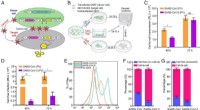
Phytocoagulins were found to be present in the cytoplasm of plant cells, particularly in specialized cells near the vascular system. Upon injury or tissue damage, these proteins are released into the extracellular space and interact with other components, triggering a cascade of reactions that lead to the formation of a clot.
The researchers discovered that phytocoagulins have enzyme activity and can catalyze the polymerization of specific proteins, similar to the clotting process observed in animals. This polymerization results in the formation of a fibrous network that traps blood cells, debris, and other particles, effectively preventing excessive bleeding.
"This discovery is a major breakthrough in our understanding of plant physiology," says Dr. Wurzel. "Plant clotting is a remarkable adaptation that allows plants to survive in challenging environments and avoid water loss due to injuries. By unraveling the mechanisms behind phytocoagulins, we open new avenues for research and potential applications in agriculture, horticulture, and even medicine."
The findings have sparked interest among scientists worldwide, and further studies are underway to explore the potential applications of phytocoagulins. Ongoing research aims to understand the regulation of phytocoagulin production, investigate their specificity across different plant species, and assess their potential use as biomaterials in wound healing or tissue engineering.
The discovery of phytocoagulins highlights the complexity and ingenuity of plant biology. As we delve deeper into the secrets of plant physiology, we uncover not only fascinating adaptations but also valuable insights that can inspire innovations in various fields of science and technology.