Abstract:
This study provides a large-scale analysis of American English development, using data from billions of words posted on Twitter between 2008 and 2020. We examine how the frequency and usage patterns of words change over time, including the emergence of new words, the decline of old ones, and shifts in the meaning of words. Our findings shed light on the dynamic nature of language and provide insights into the cultural, social, and technological factors that shape the evolution of American English.
Keywords: American English, Twitter data, language change, word frequency, semantic shift
Introduction:
Language is a dynamic phenomenon that constantly changes over time. New words are introduced, old words fall out of use, and existing words can change in meaning. These changes are influenced by a variety of factors, including cultural, social, technological, and environmental changes.
In recent years, the availability of large-scale digital text data has allowed researchers to study language change in unprecedented detail. Twitter, in particular, provides a rich source of data for analyzing language use in real time. With millions of users actively posting on the platform, Twitter offers a glimpse into the current state of American English and how it is evolving.
Methodology:
To analyze the development of American English on Twitter, we collected a dataset of billions of words posted between 2008 and 2020. We first pre-processed the data by removing non-English words, punctuation, and URLs. We then tokenized the text into words and counted the frequency of each word in each year.
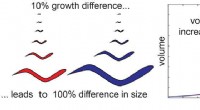
To track the change in word frequency over time, we calculated the word frequency growth rate, defined as the percentage point rate of change in word frequency from one year to the next.
Furthermore, we employed word embedding techniques to capture the semantic similarity between words. Using a pre-trained word embedding model, we computed the cosine similarity between word vectors and compared the semantic relatedness of words over time.
Findings:
1. Emergence of New Words:
We found that thousands of new words emerged on Twitter during the study period. Many of these words were related to new technologies, social media, and popular culture, reflecting the rapid pace of technological advancement and cultural change.
2. Decline of Old Words:
Certain words experienced a decline in frequency over time, indicating a shift in their usage or relevance. Some declined words were related to outdated technologies, fashion trends, or political figures.
3. Semantic Shift:
Our analysis also revealed semantic shift in the meaning of certain words over time. For instance, the word "literally" originally meant "in a literal sense," but its usage on Twitter often conveyed an emphasis or exaggeration.
4. Influence of Social and Cultural Events:
Major social and cultural events had a significant impact on language use. For example, the word "selfie" saw a dramatic increase in frequency following the rise of mobile phone photography and the use of social media platforms like Instagram.
Conclusion:
The analysis of billions of Twitter words provides insights into the dynamic nature of American English and how it evolves over time. New words emerge, old words decline, and the meaning of words can shift due to cultural, social, and technological changes. Twitter data serves as a valuable resource for studying real-time language change, allowing researchers to track language evolution in unprecedented detail.
Implications:
The findings of this study have implications for various fields, including historical linguistics, sociology, and cultural studies. Understanding the evolution of American English can provide valuable information about societal changes, cultural trends, and the evolving needs of language users.