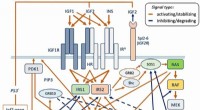
The urge to merge arises from various stimuli, both internal and external. These stimuli trigger specific signaling pathways that lead to the activation of proteins involved in cell fusion. One of the key players in this process is the transmembrane protein fusogen. Fusogens facilitate the merging of cell membranes by promoting their close proximity and subsequent fusion.
The process of cell fusion can be categorized into two main types: homotypic fusion and heterotypic fusion. Homotypic fusion occurs when two cells of the same type fuse, while heterotypic fusion involves the fusion of cells of different types. Each type of fusion is mediated by specific fusogens and regulatory proteins.
In homotypic fusion, cells express the same type of fusogen, which allows them to recognize and bind to each other. This interaction triggers the fusion process, leading to the merging of the two cells into a single hybrid cell. Homotypic fusion is crucial for the development and maintenance of tissues and organs, as it allows cells to combine and form functional units.
Heterotypic fusion, on the other hand, involves the fusion of cells of different types. This process is often mediated by fusogens that are expressed on one cell type and interact with specific receptors on the other cell type. Heterotypic fusion plays vital roles in fertilization, where a sperm cell fuses with an egg cell to form a zygote, and in the formation of specialized structures such as osteoclasts, which are essential for bone remodeling.
The urge to merge is tightly regulated to ensure that cell fusion occurs only when necessary and in a controlled manner. Dysregulation of cell fusion can lead to pathological conditions, including cancer and inflammatory diseases. Therefore, understanding the mechanisms that govern cell fusion is not only essential for unraveling fundamental biological processes but also holds promise for the development of therapeutic strategies to treat fusion-related diseases.
In summary, cell fusion is a complex and tightly regulated process driven by various stimuli and involving specific fusogens and regulatory proteins. Understanding the intricate mechanisms that govern cell fusion provides valuable insights into development, tissue repair, and disease, offering potential avenues for therapeutic interventions.