Plants need a variety of nutrients to grow, including nitrogen, phosphorus, and potassium. These nutrients are often in limited supply in soil, which can limit plant growth. However, the UC Davis team found that a protein called TOR (target of rapamycin) plays a key role in regulating plant growth in response to nutrient availability.
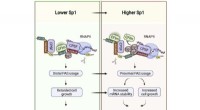
TOR is a kinase, an enzyme that adds a phosphate group to other proteins. The UC Davis team found that TOR phosphorylates a protein called S6K1, which in turn triggers a cascade of events that leads to increased cell growth and division. When nutrients are scarce, TOR activity is reduced, which leads to decreased S6K1 phosphorylation and slower growth.
"Our findings provide a molecular explanation for how plants integrate nutrient availability with growth," said study lead author Dr. Jian-Kang Zhu, a professor of plant biology at UC Davis. "This knowledge could be used to develop new strategies to improve crop yields by manipulating TOR signaling."
The researchers found that overexpression of TOR in plants resulted in increased growth and biomass production. Conversely, plants with reduced TOR activity grew more slowly and produced less biomass. These findings suggest that TOR could be a potential target for genetic engineering to improve crop yields.
"Our study provides a foundation for future research aimed at understanding how nutrient availability regulates plant growth," said Dr. Zhu. "This research could lead to the development of new fertilizers, irrigation practices, and crop varieties that can improve food production."
In addition to its implications for agriculture, the discovery could also have implications for human health. TOR is a key regulator of cell growth and metabolism in animals as well as plants. Dysregulation of TOR signaling has been linked to a number of diseases, including cancer and diabetes. The findings from the UC Davis team could lead to new insights into the role of TOR in human health and disease.