1. Viral Genome Sequencing:
- Scientists sequence the entire viral genome of COVID-19 samples collected from patients.
- High-throughput sequencing technologies, such as next-generation sequencing (NGS), are used to determine the genetic sequence of the virus.
- This provides a comprehensive understanding of the viral genome and identifies specific mutations, insertions, or deletions that may have occurred.
2. Phylogenetic Analysis:
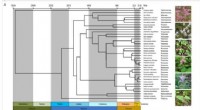
- Phylogenetic analysis involves constructing evolutionary trees based on viral genome sequences.
- By comparing the genetic sequences of different COVID-19 samples, scientists can determine the relatedness and evolutionary history of the virus.
- This helps in tracing the geographic origins and transmission routes of the virus.
3. Variant Identification:
- As the COVID-19 virus evolves, new genetic variants emerge.
- Scientists continuously monitor for these variants by comparing viral genome sequences with the reference sequence of the original SARS-CoV-2.
- Variants with significant changes or potential impact on virus behavior, transmissibility, or immune response are designated as "variants of concern" (VOCs) or "variants of interest" (VOIs) for further investigation.
4. Mutation Tracking:
- Through genomic surveillance, researchers track specific mutations in the viral genome over time.
- Mutations in certain regions of the viral genome, such as the spike protein, can affect the virus's ability to bind to host cells and evade immune responses.
- Monitoring mutations helps in understanding the potential implications for vaccine efficacy, diagnostic tests, and treatment strategies.
5. Genomic Epidemiology:
- Genomic epidemiology combines viral genome sequencing with epidemiological data.
- By analyzing the genetic diversity and distribution of COVID-19 strains in different geographic regions, scientists can identify the factors influencing virus transmission and spread.
- This information supports public health interventions and containment strategies.
6. Real-Time Monitoring:
- Some research groups and public health agencies have established surveillance systems that provide real-time monitoring of COVID-19 genetic evolution.
- These systems continuously collect and analyze viral genome sequences to track emerging variants and inform public health policies and decision-making.
By employing these genetic tracking methods, scientists aim to monitor the evolution of COVID-19, identify potential risks associated with new variants, and contribute to the ongoing efforts to combat the pandemic effectively.