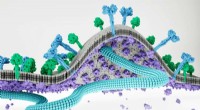
Now, researchers at the University of Oxford have discovered a protein that acts like a tunnel for LDL to enter the cells. The finding could lead to new treatments for heart disease by blocking the tunnel and preventing LDL from entering the cells.
The protein, called SR-A1, is found on the surface of cells in the artery wall. When LDL particles in the bloodstream come into contact with SR-A1, they are taken up into the cells through a process called endocytosis.
Inside the cells, LDL is oxidized, which makes it harmful to the cells. Oxidized LDL can damage the cells, leading to inflammation and the formation of plaque in the arteries. Plaque can narrow the arteries and block blood flow to the heart, causing heart disease.
The researchers believe that blocking SR-A1 could prevent LDL from entering the cells and reduce the risk of heart disease. This could be done with a drug that targets SR-A1 or with a gene therapy that silences the gene that codes for SR-A1.
The researchers say that their findings are a significant breakthrough in understanding how LDL gets into the cells of the artery wall. They believe that blocking SR-A1 could lead to new treatments for heart disease that are more effective and have fewer side effects than current treatments.
The study was published in the journal Nature Medicine.