Cellulose is the most abundant organic compound on Earth, and it's a key component of plant cell walls. It's also used to make a variety of products, including paper, cardboard, and textiles.
Now, scientists have gained new insights into how plants make cellulose. Their findings, published in the journal Nature Plants, could lead to new ways to improve the production of cellulose and other plant-based materials.
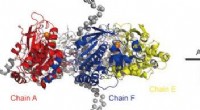
The scientists used a combination of techniques, including microscopy and genetic analysis, to study how cellulose is synthesized in Arabidopsis thaliana, a small flowering plant. They found that cellulose is produced by a complex of proteins that work together to assemble cellulose molecules into long chains.
The scientists also found that the production of cellulose is regulated by a number of genes. These genes control the expression of the proteins that are involved in cellulose synthesis, as well as the transport of cellulose to the cell wall.
The findings of this study provide a new understanding of the complex process of cellulose synthesis in plants. This knowledge could be used to develop new ways to improve the production of cellulose and other plant-based materials.
Potential applications of the findings
The findings of this study could have a number of potential applications, including:
* Developing new ways to increase the production of cellulose for use in paper, cardboard, and textiles.
* Improving the quality of plant-based materials by increasing their cellulose content.
* Developing new biofuels and other renewable energy sources from plant materials.
* Creating new materials with unique properties by combining cellulose with other materials.
The potential applications of this research are vast, and it's likely that we'll see new and innovative uses for cellulose in the years to come.