1. Synthesis of Individual Protein Components:
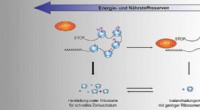
Bacteria initiate the construction of photosystems by synthesizing the individual protein components that make up these complexes. These proteins are encoded by specific genes within the bacterial genome. The synthesis of these proteins involves transcription and translation processes, where genetic information is converted into functional protein molecules.
2. Assembly of Subcomplexes:
The newly synthesized proteins are not directly assembled into the final photosystem structures but rather form smaller subcomplexes. These subcomplexes are intermediate structures that assist in the proper folding and assembly of the photosystem proteins. The formation of subcomplexes is guided by specific interactions and recognition sequences within the protein components.
3. Insertion of Cofactors and Pigments:
During the assembly process, cofactors and pigments are incorporated into the photosystem subcomplexes. Cofactors are small non-protein molecules that are essential for the photosynthetic reactions carried out by the photosystems. Pigments, such as chlorophyll molecules, capture sunlight and transfer the absorbed light energy to the reaction centers of the photosystems.
4. Formation of Photosystem Core Complexes:
The assembly of the photosystem core complexes involves the integration of the subcomplexes and the incorporation of additional protein components. The core complexes contain the reaction centers, where the light-induced charge separation occurs, initiating the photosynthetic reactions.
5. Peripheral Antenna Complex Assembly:
In addition to the core complexes, photosystems also have peripheral antenna complexes that enhance the efficiency of light capture. The peripheral antenna complexes are composed of pigment-binding proteins that extend outward from the core complexes, increasing the overall light-harvesting capability of the photosystems.
6. Stabilization and Regulation:
Once the photosystem complexes are assembled, they undergo further stabilization and regulation processes. Specific proteins and regulatory factors help maintain the structural integrity of the photosystems and ensure their proper function under different environmental conditions.
Throughout this process, bacteria utilize various molecular chaperones and assembly factors that assist in the correct folding, complex formation, and integration of the individual protein components. The intricate coordination of these steps allows bacteria to build hyper-efficient photosynthesis machines that enable them to harness the energy of sunlight and convert it into chemical energy for their survival and growth.