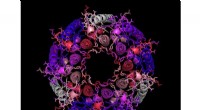
Genetic Engineering of Microorganisms:
2G ethanol production utilizes microorganisms to convert complex carbohydrates found in biomass into fermentable sugars. Genetic engineering allows scientists to modify and optimize these microorganisms, such as yeast or bacteria, to enhance their efficiency in breaking down lignocellulose. By introducing specific genes or modifying existing ones, researchers can improve the microorganism's ability to produce enzymes that break down cellulose and hemicellulose into fermentable sugars.
Strain Development and Optimization:
Genetics enables the development of improved strains of microorganisms specifically tailored for 2G ethanol production. Through genetic screening, selection, and breeding, scientists can identify and cultivate strains with superior characteristics. These strains may exhibit higher tolerance to inhibitors present in biomass, enhanced sugar utilization capabilities, increased ethanol production yields, and improved resistance to contamination.
Metabolic Pathway Engineering:
Genetic research helps elucidate the metabolic pathways involved in ethanol production. By understanding these pathways, scientists can identify key enzymes or rate-limiting steps that can be targeted for optimization. Metabolic engineering involves manipulating the genetic makeup of microorganisms to introduce or modify specific enzymes or pathways, thereby redirecting the metabolic flux towards ethanol production.
Improved Enzyme Production:
Genetics contributes to the development of efficient enzymes for biomass deconstruction. Enzymes such as cellulases, hemicellulases, and ligninases are crucial for breaking down the complex structure of lignocellulosic biomass into fermentable sugars. Genetic engineering can enhance the activity, stability, and expression levels of these enzymes, resulting in improved biomass conversion efficiency.
Tolerance to Inhibitors:
Lignocellulosic biomass contains inhibitors that can hinder the growth and performance of microorganisms used in 2G ethanol production. These inhibitors include furfural, hydroxymethylfurfural (HMF), phenolic compounds, and organic acids. Through genetic engineering, microorganisms can be modified to develop tolerance or resistance to these inhibitors, allowing them to maintain high levels of ethanol production.
Feedstock Utilization:
Genetic engineering expands the range of feedstocks that can be used for 2G ethanol production. By introducing specific genes or pathways, microorganisms can be engineered to efficiently convert various types of biomass, including agricultural residues, forestry waste, and dedicated energy crops, into fermentable sugars.
Genetic Screening and Selection:
Genetics provides tools for rapid and efficient screening of large microbial libraries. High-throughput screening techniques enable the identification of microorganisms with desired traits, such as high ethanol yields, inhibitor tolerance, and improved enzyme production. These selected strains can then be further developed and optimized for industrial applications.
Genome Editing Technologies:
Advancements in genome editing technologies like CRISPR-Cas9 have revolutionized genetic engineering. These techniques offer precise and efficient methods to manipulate the genetic makeup of microorganisms, accelerating the development of improved strains for 2G ethanol production.
Overall, genetics plays a vital role in advancing 2G ethanol production by enabling the genetic engineering of microorganisms, strain development, metabolic pathway optimization, improved enzyme production, inhibitor tolerance, feedstock diversification, and efficient screening. These genetic advancements contribute to the development of cost-effective and sustainable 2G ethanol production processes.