Cohesin is a protein complex involved in holding sister chromatids together during cell division. While its role in chromosome segregation has been well-established, recent studies have suggested that cohesions may have additional functions. This research team, led by Dr. Mitchell Guttman's lab, sought to decipher how cohesin is involved in regulating gene expression.
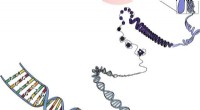
Using a technique called "ChIA-PET," the researchers identified regions of the genome where cohesin binds and how these regions interact with each other. They discovered that cohesin loops together distal regulatory elements, known as enhancers, with specific gene promoters, allowing for long-range interactions that control gene expression.
One specific gene locus that caught their attention was the MYC oncogene, frequently amplified and overexpressed in various cancers. They found that cohesin mediates interactions between regulatory elements located several thousand base pairs away from the MYC promoter. These interactions result in enhanced MYC expression, thus contributing to cancer development.
The researchers also looked at the role of cohesin in cardiac development. By deleting cohesin specifically in the heart of mice, they observed abnormal cardiac structures and heart failure. Further analysis revealed that cohesin orchestrates the expression of genes crucial for cardiac development, such as those regulating heart muscle contraction.
Commenting on the significance of their findings, Dr. Guttman explained, "Our study has shown that cohesin is not just a structural protein but also a key regulator of gene expression. This new function may underlie the link between cohesin mutations and various human diseases, including cancer and cardiac conditions. By understanding the molecular mechanisms involved, we can explore novel therapeutic strategies that modulate cohesin's activity and potentially treat these diseases more effectively."
Targeting the cohesin complex therapeutically has been a challenge due to its essential role in chromosome segregation. However, the discovery of its involvement in gene expression control provides a new angle for therapeutic development. By manipulating cohesin's interactions with specific enhancer-promoter regions, scientists may be able to selectively modify gene expression patterns and counteract dysregulations associated with diseases such as cancer and heart failure.
This research provides a deeper understanding of cohesin's role beyond chromosome segregation, highlighting its pivotal role in gene expression regulation. As the research continues, the focus will shift toward translating these findings into potential therapies that can modulate cohesin activity to treat various human diseases.