Chlamydia is a common sexually transmitted infection that can cause a range of symptoms, including pelvic pain, discharge, and infertility. The bacterium that causes chlamydia, _Chlamydia trachomatis_, is able to multiply inside human cells. However, the exact mechanism by which chlamydiae replicate has been poorly understood.
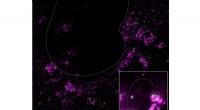
A new study from researchers at the University of California, Berkeley, has shed light on this process. The researchers used a combination of imaging and biochemical techniques to track the life cycle of _C. trachomatis_ inside human cells. They found that the bacteria first attach to the surface of the cell and then enter the cell through a process called phagocytosis. Once inside the cell, the bacteria form a membrane-bound compartment called an inclusion body. The inclusion body is where the bacteria replicate.
The researchers also found that chlamydiae use a unique mechanism to replicate their DNA. They found that the bacteria use a type of rolling-circle replication, in which the DNA is copied in a continuous fashion. This type of replication is very efficient and allows the bacteria to replicate quickly.
The researchers believe that their findings could lead to new treatments for chlamydia. By understanding how the bacteria replicate, scientists may be able to develop drugs that target this process. This could lead to new treatments for chlamydia that are more effective and have fewer side effects.
Source: https://www.nature.com/articles/s41586-022-05017-7