1. Virus-Host Interactions:
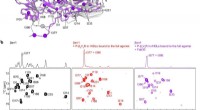
- Study the molecular interactions between viral proteins and host factors, such as cell surface receptors, endosomal components, and immune molecules.
- Assess the virus's ability to enter different types of host cells, as well as its mechanisms for evading or suppressing cellular immune responses.
2. Viral Genetic Variation:
- Analyze the viral genome for mutations and sequence variations that enhance or alter its transmissibility.
- Compare the genomes of closely related viruses and identify variations associated with different levels of transmission efficiency.
3. Viral Fitness:
- Measure the replicative fitness of the virus in different host organisms or cell culture models.
- Consider factors like replication rate, viral load, and the ability to establish persistent or latent infections.
4. Transmission and Epidemiology:
- Study the mode of transmission for the virus. Is it primarily through respiratory droplets, fomites, close contact, or vectors?
- Understand the dynamics of transmission, such as the basic reproductive number (R0) and the serial interval.
- Analyze epidemiological data and patterns of outbreaks to identify factors that contribute to efficient transmission.
5. Environmental Factors:
- Examine how environmental conditions, such as temperature, humidity, and UV radiation influence viral survival, transmission, and infectivity.
- Assess the impact of environmental changes or disturbances on virus transmission patterns.
6. Host Population Characteristics:
- Consider population factors such as immunity levels, demographics, and underlying health conditions that can impact susceptibility to infection and transmission.
7. Animal Reservoirs and Zoonotic Potential:
- Research the role of animal reservoirs in maintaining virus strains and the potential for zoonotic transmission.
- Analyze the ecological factors that contribute to the emergence of viral diseases from animals to humans.
8. Host Immune Responses:
- Investigate the interplay between viral factors and host immune responses, including the ability of the virus to evade detection, block antiviral mechanisms, or dampen immune responses.
- Analyze the effectiveness of humoral and cell-mediated immune responses in controlling viral infection.
9. Mathematical Modeling and Phylogenetic Analysis:
- Utilize mathematical models and phylogenetic analysis to infer transmission dynamics, evolutionary patterns, and the relative fitness of different viral strains.
10. Collaboration and Data Sharing:
- Encourage interdisciplinary research collaborations and data sharing between virologists, epidemiologists, biologists, and experts in other relevant fields.