A new microfluidic system that can separate cells based on their size and shape may help researchers understand how novel pathogens attack the body. The system, which was developed by a team of engineers at the University of California, Berkeley, can be used to study a variety of different cell types, including bacteria, viruses, and immune cells.
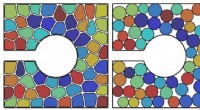
The microfluidic system works by using a series of tiny channels to create a controlled flow of cells. The channels are lined with tiny posts that act as filters, allowing smaller cells to pass through while larger cells are trapped. The system can also be used to separate cells based on their shape, which can be important for studying cells that change shape in response to infection.
The microfluidic system is a powerful tool that can be used to study a variety of different biological processes. In particular, it may be helpful for understanding how novel pathogens attack the body. By studying how pathogens interact with different types of cells, researchers may be able to develop new treatments and vaccines to combat infectious diseases.
Here are some specific examples of how the microfluidic system could be used to study novel pathogens:
* To study how pathogens enter the body. The microfluidic system could be used to track the movement of pathogens as they enter the body through the skin, respiratory tract, or digestive tract. This information could help researchers understand how pathogens are able to breach the body's defenses.
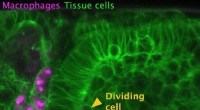
* To study how pathogens interact with immune cells. The microfluidic system could be used to study how pathogens interact with different types of immune cells, such as macrophages, neutrophils, and T cells. This information could help researchers understand how the immune system responds to infection and how pathogens are able to evade the immune response.
* To study how pathogens cause disease. The microfluidic system could be used to study how pathogens cause disease by damaging cells and tissues. This information could help researchers develop new treatments to prevent or treat the damage caused by infection.
The microfluidic system is a promising new tool that has the potential to revolutionize the study of infectious diseases. By providing a way to study cells and pathogens in a controlled environment, the microfluidic system could help researchers develop new treatments and vaccines to combat infectious diseases.