Animal Susceptibility:
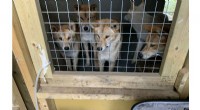
- Mink: Farmed mink have been found to be highly susceptible to SARS-CoV-2 infection, and several outbreaks have been reported in mink farms in various countries, including the United States, Europe, and Asia. These outbreaks pose a risk of potential transmission of the virus back to humans.
- White-Tailed Deer: Wild white-tailed deer in the United States have been found to carry the SARS-CoV-2 virus. Although there is some evidence of deer-to-human transmission, it's still being studied and considered a rare event.
- Other Animals: Several other animals, including some species of cats, dogs, and rabbits, have been shown to be experimentally susceptible to SARS-CoV-2 infection, but evidence of natural transmission and risk to humans are still being studied.
Risk to Humans:
The Centers for Disease Control and Prevention (CDC) considers the risk of COVID-19 transmission from animals to humans to be low. Most cases of COVID-19 in humans are acquired through contact with an infected person.
Preventive Measures:
Despite the low risk, it's essential to take precautions when interacting with animals, particularly those that are known to be susceptible to COVID-19:
- Avoid contact with wild animals and stray dogs and cats.
- Properly wash hands with soap and water after touching animals or their environment.
- If you own a pet that shows any signs of respiratory illness, contact a veterinarian.
Summary:
While some animals can be infected with SARS-CoV-2, the risk of animal-to-human transmission is generally low. Preventive measures, such as avoiding contact with wild animals, practicing good hygiene, and seeking veterinary care for sick pets, can help reduce the likelihood of exposure and spread of the virus.