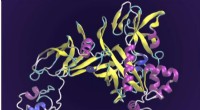
Proteins are essential molecular machines that carry out a vast array of functions within cells. They play crucial roles in everything from catalyzing chemical reactions to transporting molecules and providing structural support. However, the precise mechanisms by which proteins perform their tasks have remained elusive, hindering efforts to manipulate them for therapeutic purposes.
The research team, led by biochemist and professor of molecular and cell biology Jennifer Doudna—who is widely known for her groundbreaking work on CRISPR-Cas9 gene-editing technology—used a technique called cryo-electron microscopy (cryo-EM) to capture detailed images of proteins in action. Cryo-EM enables researchers to visualize biological molecules in their native state, without the need for crystallization or other invasive techniques.
By combining cryo-EM with computational modeling and biochemical assays, the researchers obtained high-resolution insights into the dynamic conformational changes that proteins undergo during their functional cycles. This understanding is akin to capturing a series of snapshots that reveal the intricate movements and interactions within a protein as it performs its designated task.
"For many proteins, we know the structure, but we don't know how they work. By capturing these dynamic protein motions, we can now start to understand how proteins function at the most fundamental level," Doudna explained in a statement.
The researchers specifically focused on a class of proteins called RNA-guided nucleases, which are involved in gene editing and regulation. Using cryo-EM, they were able to observe how these nucleases recognize and bind to specific RNA sequences, and then manipulate the RNA in precise ways to execute their cellular functions.
This detailed understanding of protein dynamics and mechanisms has immediate implications for designing new drugs and therapies. By deciphering the intricate molecular choreography of proteins, scientists can now rationally engineer them to enhance their beneficial functions or suppress their harmful activities. For example, this approach could lead to the development of more effective protein therapeutics, enzymes for industrial applications, and diagnostic tools for diseases caused by protein dysfunction.
The study's findings, published in the journal Nature, represent a major step forward in understanding protein function and provide a powerful toolkit for manipulating these molecular machines for the benefit of human health and biotechnology.
In conclusion, the breakthrough achieved by researchers at UC Berkeley has revolutionized our understanding of protein operation at the molecular level. By visualizing protein dynamics and mechanisms using cryo-EM, scientists now possess the knowledge and tools to design and engineer proteins with tailored properties, opening up new avenues for therapeutic interventions and technological innovations.