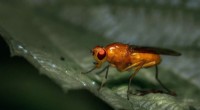
Click beetles, also known as snapping beetles or skipjacks, have fascinated scientists and naturalists for centuries due to their unique ability to produce a distinct "clicking" sound and propel themselves into the air. This remarkable talent is made possible by a specialized joint called the "hinge," which acts as a spring-loaded mechanism.
Previous research had revealed the basic structure of the hinge mechanism and its role in energy storage and release. However, the intricate details of the hinge's morphology, particularly at the microscopic level, remained elusive. This is where the recent study comes into play.
The research team, led by Dr. David K. Yeomans, employed a range of advanced imaging techniques, including micro-computed tomography (micro-CT), scanning electron microscopy (SEM), and high-resolution light microscopy. These techniques allowed them to visualize the hinge's internal and external structures in unprecedented detail.
The researchers observed that the hinge consists of interlocking teeth that fit together like a puzzle. These teeth have an intricate geometry, with sharp edges and precise angles, which allows for efficient energy storage and controlled release. The team also discovered that the hinge is lined with a layer of specialized tissue, which likely plays a role in lubricating the joint and reducing wear and tear during repeated clicking actions.
Furthermore, the study revealed that the hinge's morphology varies among different click beetle species. This diversity suggests that the hinge has undergone evolutionary adaptations to suit the specific ecological niches and survival strategies of different species.
The researchers propose that the detailed understanding of the hinge's morphology gained through this study could inspire the design of novel mechanical devices, including locking mechanisms, energy-efficient springs, and quick-release systems. The findings also contribute to the broader field of biomimetics, where engineers draw inspiration from nature to develop innovative technologies.
In conclusion, this research provides a comprehensive analysis of the hinge morphology of the click beetle's latch mechanism, offering new insights into the structure and function of this remarkable biomechanical joint. The study holds potential implications for the development of advanced engineering solutions inspired by nature's ingenious designs.