Cell migration is a fundamental process in biology that is essential for many aspects of development, such as the formation of organs and tissues, and for tissue repair. In order to move, cells must first generate force by extending protrusions, such as pseudopodia, into the surrounding environment. These protrusions then adhere to the extracellular matrix (ECM), a network of proteins and sugars that surrounds and supports cells in tissues, and exert traction forces to pull the cell body forward.
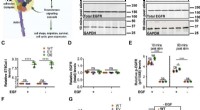
The new study reveals a previously unknown mechanism by which cells can adhere to the ECM. The researchers found that a protein called integrin-linked kinase (ILK) is required for cells to form and maintain focal adhesions, specialised structures that link the cell to the ECM. These focal adhesions act as anchors that allow cells to generate traction forces and move.
"Our findings provide a new understanding of how cells move within a tissue," says lead author Dr Richard O'Connor. "This could have implications for understanding how tissues are formed during development and how they repair themselves in response to injury."
The researchers studied the movement of cells in the developing chick embryo, using a combination of live imaging and molecular biology techniques. They found that ILK is essential for the formation of focal adhesions in these cells, and that without ILK, the cells are unable to move and tissues do not form properly.
"This study highlights the importance of cell migration in tissue development and repair," says senior author Professor Rick Horwitz. "We are excited to explore the implications of our findings and to understand how this new mechanism might contribute to human health and disease."