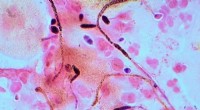
1. Coral-Microbial Symbiosis:
Corals form a mutualistic relationship with specific types of microalgae, primarily dinoflagellates from the genus Symbiodinium. These microalgae live within the coral tissues and provide them with essential nutrients through photosynthesis. In return, the corals provide the microalgae with a protective environment and access to nutrients. A healthy and balanced coral-microbial symbiosis is vital for the growth, survival, and resilience of corals.
2. Disease Indicators:
Changes in the microbial community composition of corals can indicate disease or stress. For example, the presence of certain opportunistic bacteria or pathogens can be early warning signs of coral diseases, such as white syndromes or black band disease. By monitoring microbial communities, scientists can identify potential disease outbreaks and take proactive measures to protect corals.
3. Nutrient Cycling:
Microbes play a crucial role in nutrient cycling within coral reefs. They break down organic matter, release essential nutrients, and facilitate nutrient uptake by corals. This nutrient recycling process supports the growth and productivity of the entire reef ecosystem. Changes in microbial community structure and function can disrupt nutrient cycling and have cascading effects on the overall health of the reef.
4. Resilience and Adaptation:
Microbes can enhance the resilience and adaptive capacity of corals. Certain microbial symbionts can provide corals with increased tolerance to environmental stressors, such as elevated temperatures, ocean acidification, or pollution. Studying microbial communities can help identify corals that are more resistant to these stressors and support the conservation and restoration of coral reefs.
5. Restoration Potential:
Microbes play a vital role in coral restoration efforts. Researchers are exploring the use of specific microbial communities to enhance the growth, survival, and resistance of corals in restoration projects. Understanding the microbial ecology of healthy reefs can guide the selection of suitable microbial symbionts for restoration interventions.
6. Water Quality Indicators:
Microbial communities can also serve as indicators of water quality and environmental conditions in coral reefs. Shifts in microbial community composition can reflect changes in nutrient levels, pollution, or other environmental parameters. Monitoring microbial communities can provide early warnings of environmental degradation and help in implementing appropriate management strategies.
By studying microbial communities, scientists can gain a deeper understanding of the complex interactions within coral reef ecosystems and identify early signs of stress or disease. This knowledge is crucial for developing effective management and conservation strategies to protect these invaluable ecosystems and the biodiversity they support.