1. Habitat destruction and fragmentation:
- As human populations grow and expand, natural habitats are being destroyed and fragmented at an alarming rate. This disrupts the natural flow of genes between populations, leading to decreased genetic diversity.
- When animals live in smaller, isolated populations, they are more vulnerable to genetic drift, inbreeding, and the loss of unique genetic variations.
- For instance, habitat fragmentation has contributed to the genetic decline of many large mammal species, including African elephants, lions, and tigers.
2. Overexploitation and selective breeding:
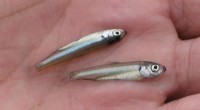
- Overhunting, overfishing, and other forms of overexploitation can decimate animal populations, resulting in the loss of genetic diversity.
- Selective breeding for specific traits, such as increased meat production or tameness, can also lead to a reduction in genetic variability within domesticated species. For example, many modern livestock breeds have much lower genetic diversity than their wild counterparts.
3. Introduction of invasive species:
- Invasive species, often introduced inadvertently through human activities, can outcompete native species for resources such as food and habitat.
- Over time, invasive species can replace native species and cause a decline in genetic diversity.
- This has been observed, for instance, with the introduction of invasive species such as the brown tree snake in Guam, which has caused the extinction of several native bird species.