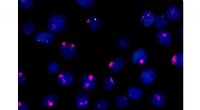
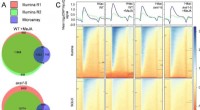
DNA, the blueprint of life, is susceptible to damage from both internal and external sources, such as UV radiation, free radicals, and chemotherapy. To maintain its integrity and prevent mutations that can lead to cancer and other diseases, cells have evolved sophisticated DNA repair mechanisms. By comprehending these self-repair processes, scientists may develop more effective and targeted cancer therapies.
Types of DNA Repair Mechanisms:
There are several DNA repair mechanisms, each responsible for addressing specific types of damage. Here are two key pathways involved in DNA repair:
1. Base Excision Repair (BER):
BER specifically targets and repairs damaged or modified individual bases within the DNA molecule. This mechanism is crucial for correcting common chemical alterations caused by environmental factors and cellular processes.
2. Nucleotide Excision Repair (NER):
NER is responsible for removing larger sections of DNA containing damaged nucleotides, including bulky lesions induced by UV radiation or certain chemical agents.
Targeting DNA Repair in Cancer Treatment:
While DNA repair is essential for cell survival, cancer cells often exhibit defects or overactivation in their repair pathways. This can make them resistant to treatments aimed at causing DNA damage. By manipulating or exploiting DNA repair mechanisms, novel therapeutic strategies can be designed to enhance the effectiveness of cancer treatments and overcome drug resistance:
a. Enhancing Chemotherapy Response:
By inhibiting or modulating certain DNA repair pathways, cancer cells can be made more susceptible to DNA-damaging chemotherapeutic agents, increasing treatment efficacy.
b. Targeting Repair Protein Interactions:
Targeting proteins involved in DNA repair complexes or disrupting interactions within these complexes has emerged as a promising strategy for sensitizing cancer cells to therapies.
c. Synthetic Lethality Approach:
Synthetic lethal interactions occur when the inhibition of two separate genes or pathways leads to cell death. By targeting specific DNA repair pathways alongside other vulnerabilities in cancer cells, synthetic lethal strategies can be employed to induce cell death selectively in cancer cells.
d. Immunotherapy Enhancement:
DNA repair deficiencies can lead to increased mutation rates and the generation of abnormal proteins, making cancer cells more visible to the immune system. Stimulating anti-tumor immune responses by modulating DNA repair pathways can improve the efficacy of immunotherapies.
Challenges and Future Directions:
While targeting DNA repair mechanisms holds immense potential for cancer treatment, several challenges need to be overcome:
a. Complexity and Redundancy:
The multifaceted nature of DNA repair and the presence of multiple overlapping pathways can complicate therapeutic strategies.
b. Toxicity and Resistance:
Inhibition of DNA repair pathways may lead to systemic toxicities, and cancer cells can develop resistance mechanisms over time.
c. Precision and Specificity:
Designing therapies that selectively target cancer cells while sparing healthy tissues remains a critical concern.
Despite these challenges, ongoing research continues to unravel the intricate mechanisms of DNA repair, making progress towards developing innovative cancer treatments that exploit these vulnerabilities and improve patient outcomes. By precisely manipulating DNA repair pathways, the future of cancer treatment holds promise for more effective and personalized therapies tailored to individual patient needs.