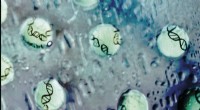
In the case of bacteria and fungi, HGT can occur when the two organisms are in close contact, such as when they are growing in the same environment. During HGT, a piece of DNA from one organism is transferred to the other organism. This can give the recipient organism new genes that can provide it with new traits, such as the ability to resist antibiotics or to grow in different environments.
HGT can also occur between different strains of the same species of bacteria. This can help to spread beneficial genes throughout a population of bacteria, making them more resistant to environmental stresses.
HGT is an important mechanism for the evolution of bacteria and fungi. It allows these organisms to acquire new genes that can give them a competitive advantage in their environment. HGT is also a potential source of new genes for use in genetic engineering.
Here are some specific examples of how fungi can improve the genetic makeup of bacteria:
* Antibiotic resistance: Fungi can transfer genes to bacteria that confer resistance to antibiotics. This can make it more difficult to treat bacterial infections.
* Virulence: Fungi can transfer genes to bacteria that make them more virulent, or able to cause disease. This can lead to more severe infections.
* Metabolic pathways: Fungi can transfer genes to bacteria that allow them to use new metabolic pathways. This can give bacteria access to new sources of nutrients and energy.
* Environmental adaptation: Fungi can transfer genes to bacteria that help them to adapt to new environments. This can allow bacteria to colonize new habitats.
HGT is a complex and poorly understood process. However, it is clear that it can have a significant impact on the genetic makeup of bacteria and fungi.