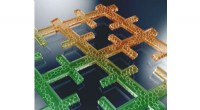
1. Cellulose Microfibrils: Cellulose is the primary component of plant cell walls, accounting for up to 50% of their dry weight. Cellulose molecules are organized into long, linear chains called microfibrils. These microfibrils are arranged in a criss-crossed network, forming a strong and rigid scaffold that resists tensile forces.
2. Hemicellulose: Hemicellulose is another type of polysaccharide present in plant cell walls. Hemicellulose molecules form cross-links between cellulose microfibrils, further strengthening the cell wall structure. They also contribute to the elasticity and flexibility of the cell wall by allowing some movement between cellulose microfibrils.
3. Pectin: Pectin is a complex polysaccharide that plays a vital role in cell wall extensibility. It forms a gel-like matrix between cellulose microfibrils and hemicellulose, allowing the cell wall to expand and contract as needed. Pectin also helps maintain cell wall porosity, facilitating the exchange of water and solutes between the cell and its surroundings.
4. Lignin: Lignin is a phenolic polymer that is deposited in the cell walls of many plant tissues, particularly in secondary cell walls. Lignin acts as a cementing agent, stiffening and strengthening the cell wall. It also provides resistance to enzymatic degradation, making the cell wall more durable and resistant to pathogens.
5. Cross-linking and Hydrogen Bonding: The different components of the plant cell wall are cross-linked through various chemical bonds, including hydrogen bonds, covalent bonds, and ionic bonds. These cross-links stabilize the cell wall structure and contribute to its overall strength and rigidity.
The combination of these components and their structural arrangement provides plant cell walls with their characteristic strength and extensibility. This allows plant cells to withstand the internal turgor pressure and maintain their shape while also allowing for growth and expansion as needed.