Commensal bacteria are the trillions of microorganisms that reside in the human body without causing any harm. In fact, they play vital roles in maintaining health by aiding digestion, synthesizing vitamins, and educating the immune system. However, under certain circumstances, these beneficial bacteria can turn into pathogens, leading to infections and diseases.
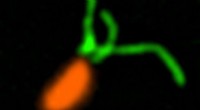
The research team focused on a specific type of gut bacteria called Enterobacteriaceae, which includes common inhabitants like Escherichia coli (E. coli). These bacteria are usually harmless, but they can cause life-threatening infections in immunocompromised individuals or when they breach the intestinal barrier and enter other parts of the body.
Using a combination of genetic and molecular techniques, the researchers identified a key genetic switch that controls the transformation of Enterobacteriaceae from harmless commensal bacteria into disease-causing pathogens. This switch is regulated by a protein called Fis, which acts as a master regulator of gene expression.
When Fis is in its active form, it keeps the expression of virulence genes in check, preventing the bacteria from causing disease. However, when Fis is inactivated or its activity is reduced, the expression of virulence genes is unleashed, leading to the production of toxins and other factors that enable the bacteria to invade and cause disease.
The researchers also found that certain environmental factors, such as antibiotics, can influence the activity of Fis and promote the transformation of commensal bacteria into pathogens. Antibiotics can disrupt the delicate balance of the gut microbiota, allowing harmful bacteria to proliferate and potentially leading to infections.
This discovery opens new avenues for the development of therapeutic strategies to combat infectious diseases. By targeting the Fis protein or the genetic switch it controls, scientists may be able to prevent the transformation of harmless gut bacteria into pathogens and reduce the risk of infections, particularly in vulnerable individuals.
The study highlights the importance of maintaining a healthy balance of gut microbiota and the potential consequences of disrupting this equilibrium. By understanding the mechanisms underlying the transformation of commensal bacteria into pathogens, researchers can pave the way for more effective therapeutic interventions and improved patient outcomes.