Cockroaches are one of the most prevalent pests worldwide, known for their ability to quickly reproduce and infest homes and businesses. Their presence can be a nuisance, and they can also transmit diseases and contaminate food. Traditional pest control methods often involve the use of toxic chemicals that can be harmful to both humans and the environment.
In the study, researchers from the University of California, Riverside, focused on an enzyme called juvenile hormone esterase (JHE) that plays a crucial role in the reproduction of cockroaches. JHE is responsible for breaking down juvenile hormone, a chemical that regulates growth and development in insects. By blocking the activity of JHE, the researchers found that they could disrupt the normal reproductive cycle of cockroaches.
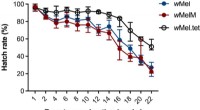
The team tested their approach on two common cockroach species, the German cockroach (Blattella germanica) and the American cockroach (Periplaneta americana). They administered a JHE inhibitor to the cockroaches and observed a significant reduction in their sexual activity. The treated cockroaches showed a decrease in mating frequency, egg production, and egg viability.
The researchers also found that blocking JHE had a negative impact on the overall health and survival of the cockroaches. The treated cockroaches exhibited reduced growth, increased mortality, and a higher susceptibility to infections. These findings suggest that targeting JHE could have multiple benefits in cockroach control, not only by reducing reproduction but also by weakening the overall population.
The study highlights the potential of using enzyme inhibitors as a novel pest management strategy for cockroaches. By specifically targeting JHE, researchers can potentially develop more effective and environmentally friendly cockroach control methods that minimize the use of toxic chemicals. Further research is needed to investigate the long-term effects of JHE inhibition and to explore the potential for using this approach in integrated pest management programs.