Polar bodies: Oogenesis, the maturation process for female gametes, involves two meiotic divisions resulting in a single egg and three polar bodies. Polar bodies are essentially discarded genetic material, and any chromosomal abnormalities present in a polar body are eliminated. This acts a a quality control mechanism, preventing these abnormalities from being passed on to offspring.
Meiotic Drive: Certain chromosomal regions exhibit "meiotic drive," which means they have mechanisms to increase their chances of transmission over other chromosomes during gamete formation. This selfish behavior helps these regions spread through populations, potentially conferring selective advantages or influencing important traits.
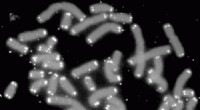
Recombination: During meiosis, homologous chromosomes undergo genetic recombination, exchanging genetic material to create new and diverse gametes. This process results in a mixture of genetic information, making it difficult for chromosomal abnormalities to be passed on consistently, especially if they exist on both homologous chromosomes.
It's worth noting that while these mechanisms may increase the chance of getting into an egg, they do not necessarily ensure successful fertilization or embryo development. Many chromosomal abnormalities lead to non-viable embryos or developmental challenges, highlighting the importance of genetic stability and balance.