Parasitic plants are notorious for their ability to steal nutrients and water from their hosts, often causing significant damage to crops and native plant species. But how do these plants know when to attack?
A new study from researchers at the University of California, Davis, has discovered that parasitic plants use a sophisticated "root radar" system to detect the presence of potential host plants. This system allows the parasites to target their attacks and maximize their chances of success.
The study, which was published in the journal Nature Plants, focused on a parasitic plant called Striga hermonthica. This plant is a major pest in Africa, where it can cause devastating losses to crops such as maize, sorghum, and millet.
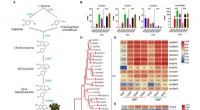
The researchers found that Striga hermonthica uses a combination of chemical and physical signals to detect the presence of host plants. The plant's roots release a chemical called strigolactone, which acts as a signal to nearby host plants. The host plants then produce a different chemical called hyoscyamine, which attracts the parasitic plant's roots.
In addition to chemical signals, Striga hermonthica also uses physical cues to detect host plants. The plant's roots are sensitive to touch, and they will grow towards any object that they come into contact with. This allows the plant to target host plants that are in close proximity.
The study's findings provide new insights into the biology of parasitic plants and could lead to the development of new strategies for controlling these devastating pests. By understanding how parasitic plants detect and attack their hosts, scientists may be able to develop ways to disrupt this process and protect crops.
Additional information:
* Striga hermonthica is a root parasitic plant that belongs to the family Orobanchaceae.
* The plant is native to Africa, but it has also been introduced to other parts of the world, including Asia and Australia.
* Striga hermonthica can cause significant damage to crops, reducing yields by up to 100%.
* The plant is particularly devastating to smallholder farmers, who rely on their crops for food and income.
* There are currently no effective methods for controlling Striga hermonthica.
* The study's findings could lead to the development of new strategies for controlling this devastating pest.