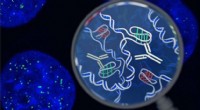
* Infectious agents: These can be bacteria, viruses, fungi, or parasites. They can spread through contact with an infected person or animal, through the air, through water, or through food.
* Environmental factors: These can include things like extreme weather conditions, poor sanitation, and overcrowding. These factors can make it easier for infectious agents to spread and cause disease.
* Human behavior: This can include things like traveling to areas where there is a risk of infection, not getting vaccinated, and not practicing good hygiene. These behaviors can all increase the risk of disease outbreaks.
Some specific examples of factors that have caused disease outbreaks in the past include:
* The 1918 flu pandemic: This pandemic was caused by a highly contagious strain of influenza virus. It spread around the world in just a few months and killed an estimated 50-100 million people.
* The 2003 SARS outbreak: This outbreak was caused by a new type of coronavirus. It spread from China to several other countries and killed hundreds of people.
* The 2014-2016 Ebola outbreak: This outbreak was caused by the Ebola virus. It spread from Guinea to several other countries in West Africa and killed thousands of people.
Disease outbreaks can have a devastating impact on human health and the global economy. It is important to understand the causes of disease outbreaks so that we can take steps to prevent them from happening or to mitigate their impact if they do occur.