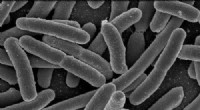
The study, published in the journal Nature Communications, reveals that P. putida utilizes a sophisticated regulatory mechanism involving two small RNA molecules, RsmZ and RsmY. These small RNAs act as molecular switches, controlling the expression of genes responsible for detoxification processes.
Key findings of the study include:
1. RsmZ and RsmY regulate detoxification genes: The researchers identified that RsmZ and RsmY directly target and inhibit the expression of specific genes involved in detoxification pathways. This control mechanism allows P. putida to fine-tune its detoxification response based on the presence of specific pollutants.
2. Coordinated regulation of detoxification and growth: The study found that RsmZ and RsmY not only control detoxification genes but also influence bacterial growth and metabolism. This coordinated regulation ensures that the bacterium can allocate resources efficiently, balancing detoxification processes with other cellular functions.
3. RsmY-dependent adaptation to changing environments: The researchers demonstrated that RsmY plays a critical role in P. putida's ability to adapt to changing environmental conditions. By modulating the expression of detoxification genes, RsmY enables the bacterium to rapidly adjust its detoxification capacity in response to fluctuating pollutant levels.
The findings of this study provide a deeper understanding of the molecular mechanisms underlying bacterial detoxification systems and their regulation. This knowledge could have significant implications for the development of novel strategies to enhance bioremediation processes and engineer bacteria for environmental cleanup and industrial applications. Furthermore, the study highlights the importance of studying the regulatory networks within bacteria to gain a comprehensive understanding of their behavior and potential applications.