1. Genetic Code:
Each cell inherits the same genetic code when an organism is formed. The genetic information contained in the DNA provides the blueprint for all cellular functions. However, individual cells within the organism may only activate specific portions of this vast library of genes, leading to diverse cell identities and functions.
2. Genomic Regulatory Elements:
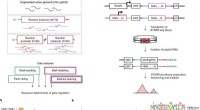
The regulatory regions within the DNA, such as promoters and enhancers, control gene activity by facilitating the binding of transcription factors and other regulatory proteins. These regulatory regions provide instructions for initiating transcription and specifying which genes should be expressed in a particular cell type.
3. Transcription Factor Control:
Transcription factors are proteins that bind to specific DNA sequences within regulatory regions and either promote or repress transcription (the process of synthesizing RNA from DNA). They act as master regulators, controlling the initiation, intensity, and duration of gene expression. Each cell type expresses specific combinations of transcription factors that determine its gene expression program.
4. Chromatin Modifications:
Chromatin is the complex of DNA and proteins found within the nucleus. Modifications to chromatin structure can influence the accessibility of DNA to transcription machinery, thereby regulating gene expression. Chemical alterations such as acetylation and methylation can either open up the chromatin structure, allowing transcription to occur, or condense it, inhibiting gene activity.
5. Epigenetic Regulation:
Epigenetic modifications, which are heritable changes in gene regulation that do not involve alterations in the DNA sequence itself, play a crucial role in gene selection and maintenance of cellular identity. These mechanisms, including DNA methylation and histone modifications, contribute to the long-term "memory" of gene expression patterns, ensuring that cells retain their specialized characteristics during cell division.
6. RNA-Based Mechanisms:
Non-coding RNAs like microRNAs (miRNAs) and long non-coding RNAs (lncRNAs) can regulate gene expression post-transcriptionally by targeting and inhibiting the translation of specific mRNAs. They provide an additional layer of control, allowing rapid responses to changing environmental or developmental conditions.
7. Signaling Pathways:
External and internal signals can influence gene expression by activating signaling pathways that transmit information from the cell surface to the nucleus. Growth factors, hormones, and other stimuli trigger cascades of biochemical reactions that ultimately control the activity of transcription factors and gene expression.
8. Intercellular Communication:
Cell-to-cell communication through direct interactions (e.g., cell-cell contacts) or paracrine and endocrine signaling can influence gene expression in neighboring or distant cells. This coordination ensures that gene activity is synchronized within tissues and organs, promoting proper development and function.
In summary, the precise selection of active genes in cells involves a sophisticated interplay of genetic regulation, regulatory elements, transcription factors, chromatin modifications, RNA-based mechanisms, signaling pathways, and intercellular communication. Through these complex processes, cells can ensure that only the necessary genes are expressed, allowing for the diversity and specialization required for the proper functioning of multicellular organisms.