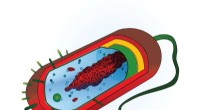
Bacteria are single-celled organisms that can live in a variety of environments. They can cause a wide range of infections, from mild to life-threatening. Some bacteria, such as E. coli and Salmonella, can cause food poisoning. Other bacteria, such as Streptococcus pneumoniae and Staphylococcus aureus, can cause pneumonia and sepsis.
Bacteria can spread in different forms, depending on the environment. In liquid environments, such as water or blood, bacteria typically exist as single cells. On solid surfaces, such as countertops or skin, bacteria can form colonies. Colonies are groups of bacteria that stick together and grow together. In some cases, bacteria can form biofilms. Biofilms are colonies of bacteria that are encased in a protective layer of slime.
The new model developed by Rice scientists can describe how bacteria spread in all three of these forms. The model takes into account a number of factors, including the growth rate of the bacteria, the rate at which they divide, and the rate at which they move. The model also takes into account the interactions between bacteria and their environment.
The new model could help researchers understand how bacteria cause infections and develop new ways to prevent and treat them. For example, the model could be used to identify the key factors that allow bacteria to spread from one person to another. This information could be used to develop new public health measures to prevent the spread of infections.
The new model could also be used to develop new antibiotics that are more effective at targeting bacteria in different forms. For example, the model could be used to identify antibiotics that are more effective at killing bacteria in colonies or biofilms. This information could lead to the development of new antibiotics that are more effective at treating bacterial infections.
The new model is a significant advance in our understanding of how bacteria spread. It has the potential to lead to new ways to prevent and treat bacterial infections.