Genetic Adaptation and Evolution:
Pathogens evolve through natural selection and genetic mutations, acquiring traits that enable them to exploit host weaknesses and cause disease. For example:
Antibiotic Resistance: Some bacteria develop resistance to antibiotics, rendering these drugs ineffective against infections.
Enhanced Virulence: Mutations may increase a pathogen's virulence by producing more potent toxins, adhering better to host tissues, or evading immune responses.
Ecological Interactions and Symbiosis:
Pathogens may form symbiotic relationships with other organisms, enhancing their ability to cause disease:
Vectors: Some pathogens are transmitted by vectors, such as mosquitoes or ticks, which transport them between hosts. For instance, malaria parasites utilize female Anopheles mosquitoes for transmission.
Reservoir Hosts: Pathogens can persist in animal reservoirs, where they may evolve and maintain their pathogenic traits without causing significant disease. Rabies virus, for example, is maintained in wild animals like bats and can be transmitted to humans.
Biofilms: Pathogens can form protective communities called biofilms on surfaces, enhancing their resistance to antimicrobial treatments and aiding in colonization of host tissues.
Opportunistic Infections:
Certain microbes are typically harmless or even beneficial, but they can become pathogenic when the host's immune system is compromised or under specific circumstances. These are called opportunistic infections, often encountered in individuals with weakened immune systems.
Examples include Candida albicans, a yeast that causes infections in immunocompromised individuals, and Pseudomonas aeruginosa, an opportunistic bacterium that may infect burn victims or people with cystic fibrosis.
Genome Acquisition and Horizontal Gene Transfer:
Horizontal gene transfer is the exchange of genetic material between different organisms, allowing pathogens to acquire new traits rapidly. This includes:
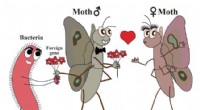
Acquisition of Virulence Factors: Pathogens may gain virulence genes from other bacteria or viruses, augmenting their ability to cause disease.
Antibiotic Resistance Genes: Horizontal gene transfer can spread antibiotic resistance genes among different bacteria, hindering treatment options.
Environmental Adaptation:
Pathogens can adapt to various environments, including extreme conditions like high salinity or low pH, enabling them to colonize different niches and hosts. For example:
Vibrio cholerae, the causative agent of cholera, can survive in aquatic environments and adapt to diverse temperatures, facilitating its transmission through contaminated water.
Cryptococcus neoformans, a fungal pathogen, can grow in soil and bird droppings, which can be sources of infection.
Conclusion:
Pathogens develop their pathogenic traits through complex evolutionary processes, ecological interactions, and genetic adaptations. Their ability to learn and evolve highlights the ongoing arms race between microbes and their hosts, challenging public health efforts and medical interventions. Understanding these mechanisms is vital for developing effective strategies to prevent and treat infectious diseases.