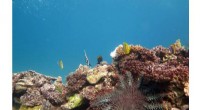
In the depths of aquatic habitats, fish produce an array of sounds, forming complex acoustic landscapes. For decades, scientists have been exploring the communication codes and social behavior secrets embedded within these fish vocalizations. Recently, attention has shifted to the utilization of fish sounds as a powerful tool in conserving and monitoring the condition of underwater ecosystems.
Understanding Fish Sounds
Fish sounds, scientifically referred to as "bioacoustics," result from different mechanisms like vocal cords, swim bladder vibrations, and body part contact. Each species possesses unique acoustic characteristics, much like human fingerprints. By analyzing and identifying these sounds, scientists can distinguish fish species, determine their abundance, and gather insights into their behavior.
Acoustic Monitoring Technology
Advancements in acoustic monitoring technologies have revolutionized the study of underwater ecosystems. Passive acoustic recorders submerged in habitats capture and record fish sounds, revealing information about species presence, habitat use, and overall acoustic biodiversity. These data can indicate changes in fish communities over time, helping detect declines or alterations that might signal broader ecological shifts.
Soundscapes as Health Indicators
A remarkable application of fish sounds is the concept of "soundscapes," which encompasses the totality of underwater sounds in a given environment. By analyzing soundscape health, scientists can understand ecosystems' overall well-being. For example, a reduction in fish vocalizations could indicate habitat degradation, pollution impacts, or changes in food availability.
Soundscapes can also convey insights into the effects of human activities. Artificial noise pollution, such as motorboats and industrial operations, can disrupt fish soundscapes, interfering with communication and behavior. By measuring these disruptions, scientists can design mitigation strategies to minimize the impact of human activities on marine life.
Examples of Fish Sound Research
• In the Hawaiian archipelago, researchers use acoustic surveys to monitor the endangered Hawaiian monk seal population. Underwater microphones record vocalizations between mothers and pups, providing clues to reproductive success and population dynamics.
• In the coral triangle, one of the world's most biodiverse marine regions, scientists analyze soundscapes to track the health of coral reef ecosystems. Fish species diversity, essential for reef resilience, can be assessed through acoustic monitoring.
• In European marine protected areas, researchers examine soundscapes to assess the effectiveness of conservation measures. Sound data help evaluate whether fish species are recovering or expanding within protected areas.
Benefits of Fish Sound Conservation
Using fish sounds for conservation offers numerous benefits:
• Non-invasive: Acoustic monitoring doesn't require direct contact with fish, minimizing stress and potential harm.
• Continuous Monitoring: Passive acoustic recorders enable 24/7 data collection, providing long-term information about fish populations and ecosystems.
• Early Warning System: Changes in fish soundscapes can provide early insights into ecosystem shifts, allowing for timely management interventions.
• Ecosystem Insights: Fish sounds reveal intricate relationships among species and their environment, assisting in understanding complex ecosystems.
By listening attentively to the underwater symphony, scientists are unlocking the power of fish sounds to protect the integrity of aquatic ecosystems. From the gentle "boops" of clownfish to the rhythmic "unks" of gobies, each sound contributes to the vast knowledge base crucial for effective conservation and sustainable management of our underwater treasures.