Strigolactones are a group of plant hormones that regulate a wide range of processes such as shoot and root branching, leaf senescence and defence against pests and diseases.
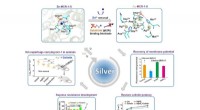
Unlocking the structure of the strigolactone receptor protein, DWARF14 (D14), is a significant breakthrough that allows scientists to understand the molecular mechanisms by which strigolactones exert their control.
"This is the 'Holy Grail' of strigolactone signalling – we've been working towards capturing this structure for years," says Dr Eva Benkova from the John Innes Centre. "Now that we have the structure, we can see the molecular details of how the hormone is bound by D14 and how this triggers downstream signalling."
The researchers found that D14 undergoes conformational changes upon binding strigolactones. This change in shape enables D14 to bind to and inhibit a protein complex called the MAX2 F-box. This interaction ultimately results in the degradation of a protein called D53, allowing the release of transcription factors that control various aspects of plant growth and development.
"Our study also revealed a fascinating evolutionary link between strigolactones and light signalling – we identified structural similarities between D14 and phototropin, a protein that senses blue light," says Dr Benkova. "This raises intriguing questions about the evolutionary trajectory and diversification of hormone signalling pathways in plants."
This research opens up new avenues for understanding how plants regulate their growth and development in response to internal and external cues and could lead to the development of novel agrochemicals for crop improvement.