[Brief Introduction]
Rhomboid proteases are key players in cellular functions like membrane remodeling and signaling. However, their mechanisms of action remain poorly understood. Recent advancements in imaging techniques have opened the door to visualizing these proteases at work.
[Visual Description]
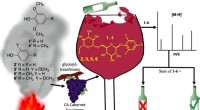
Image 1: A series of high-resolution images shows the conformational changes of a rhomboid protease as it cleaves a substrate protein. Starting from its resting state (image 1.1), the protease undergoes a series of transformations upon substrate binding (images 1.2 and 1.3). Finally, it adopts an active conformation, positioning the catalytic site for substrate cleavage (image 1.4).
Image 2: Time-lapse imaging reveals the temporal dynamics of rhomboid protease activity on a cellular membrane. As individual substrate proteins (green dots) interact with the protease (red), cleavage events can be observed in real-time. It captures the progression of cleavage across the membrane (images 2.1 to 2.4).
[Impact]
These dynamic images not only provide direct visualization of rhomboid protease action but also allow researchers to analyze kinetic parameters and identify specific residues involved in the cleavage process. This deeper understanding contributes to elucidating the molecular mechanisms behind rhomboid protease function and potential therapeutic interventions targeting these proteases.