African scientists are studying the genes of species for a variety of reasons, including:
Conservation: Genetic studies can help scientists identify endangered species and develop conservation strategies to protect them. For example, scientists in South Africa have used genetic studies to help save the African elephant from extinction.
Agriculture: Genetic studies can help scientists develop crops that are more resistant to pests and diseases, and that are better adapted to local growing conditions. For example, scientists in Kenya have used genetic studies to develop a new variety of maize that is resistant to a devastating fungal disease.
Human health: Genetic studies can help scientists identify genetic factors that contribute to diseases such as malaria and HIV/AIDS. This knowledge can lead to the development of new drugs and treatments to combat these diseases. For example, scientists in Nigeria have used genetic studies to identify a new genetic variant that increases the risk of developing malaria.
Industrial applications: Genetic studies can help scientists develop new materials and technologies. For example, scientists in Ghana have used genetic studies to develop a new type of biofuel that is made from algae.
Understanding evolution: Genetic studies can help scientists understand how species evolve over time. For example, scientists in Botswana have used genetic studies to track the migration patterns of the Bantu people over the past 2,000 years.
How African scientists are studying the genes of species
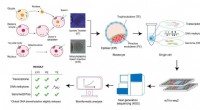
African scientists are using a variety of techniques to study the genes of species, including:
DNA sequencing: This technique allows scientists to determine the order of the nucleotides in a DNA molecule. DNA sequencing is essential for identifying genes and understanding how they function.
Polymerase chain reaction (PCR): This technique allows scientists to amplify a specific region of DNA, making it possible to study even very small amounts of DNA. PCR is used for a variety of purposes, including identifying genes, detecting genetic mutations, and studying gene expression.
Microarrays: This technology allows scientists to measure the expression levels of multiple genes simultaneously. Microarrays are used to study gene regulation and to identify genes that are involved in specific diseases or conditions.
Bioinformatics: This field of study uses computer science and mathematics to analyze biological data. Bioinformatics is essential for managing and interpreting the vast amounts of data that are generated by genetic studies.
African scientists are making significant contributions to the study of genes and their role in the natural world. Their research is helping to conserve endangered species, develop new crops and drugs, and understand how species evolve.