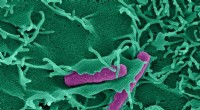
The Varroa mite is an example of a generalist parasite, which means that it can infect a wide range of host species. In addition to honey bees, the Varroa mite has also been found to infest other species of bees, including bumble bees and stingless bees.
The Varroa mite has a complex life cycle that involves both reproductive and non-reproductive stages. The reproductive stage occurs inside the honey bee hive, where the mites feed on the blood of developing bees. The non-reproductive stage occurs outside the hive, where the mites attach themselves to adult bees and feed on their blood.
The Varroa mite is a very successful parasite, and its success can be attributed to a number of factors. One factor is the mite's ability to reproduce rapidly. The mite can produce up to six generations per year, and each generation can produce hundreds of mites.
Another factor that contributes to the mite's success is its ability to disperse easily. The Varroa mite can be transmitted from one bee to another through direct contact, or it can be transported on the bodies of other animals, such as birds or wasps.
The Varroa mite is also a very adaptable parasite. The mite has been able to develop resistance to a number of pesticides, and it has also been able to adapt to different environmental conditions.
The Varroa mite is a serious threat to honey bees and other pollinators. The mite has caused significant economic losses to the beekeeping industry, and it has also been linked to the decline of wild bee populations. The Varroa mite is a very successful parasite, and its success can be attributed to a number of factors, including its ability to reproduce rapidly, disperse easily, and adapt to different environmental conditions.
Here are some of the lessons that we can learn from the Varroa mite about parasite evolution:
* Parasites can be very successful at adapting to their hosts.
* Parasites can cause significant economic losses to agriculture and other industries.
* Parasites can be a threat to human health and well-being.
* We need to develop new and innovative ways to control parasites.