Gene Expression:
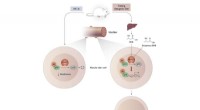
1. DNA Transcription: The genes responsible for encoding the N2OR enzyme are transcribed from DNA into RNA molecules.
2. mRNA Translation: The RNA molecules are then translated into a chain of amino acids, forming the protein subunits of the N2OR enzyme.
Assembly of Subunits:
3. Chaperone Proteins: Chaperone proteins guide the individual protein subunits to ensure they fold correctly and assemble into the functional N2OR enzyme complex.
Cofactor Incorporation:
4. Copper Ions: Copper ions are crucial for the activity of N2OR. These ions are specifically incorporated into the enzyme complex during the assembly process.
5. Heme Group: Heme, an iron-containing molecule, is also integrated into the N2OR complex.
Membrane Insertion:
6. Membrane Targeting: The N2OR enzyme complex is targeted to the cell membrane, where it will be positioned to interact with nitrous oxide.
7. Membrane Integration: The enzyme complex is inserted into the cell membrane, allowing it to access N2O molecules in the surrounding environment.
Enzyme Activation:
8. Post-Translational Modifications: After the N2OR complex is assembled and integrated into the membrane, it undergoes post-translational modifications that activate the enzyme.
9. Redox Reactions: Specific redox reactions occur within the enzyme complex, generating the necessary reducing power to convert N2O into nitrogen gas (N2) and water (H2O).
Nitrous Oxide Reduction:
10. Binding of N2O: The N2OR enzyme binds to nitrous oxide molecules, forming an enzyme-substrate complex.
11. Catalytic Reaction: The enzyme catalyzes the reduction of N2O, converting it into nitrogen gas and water through a series of chemical reactions.
12. Product Release: The nitrogen gas and water molecules are released from the enzyme, completing the N2O reduction process.
Regulation:
13. Feedback Mechanisms: The production and activity of N2OR are tightly regulated to maintain cellular homeostasis and respond to environmental changes. Feedback mechanisms ensure that N2OR activity is appropriately adjusted based on the availability of nitrous oxide and other factors.
The overall process of building and activating the N2OR enzyme is a sophisticated example of cellular machinery at work, enabling bacteria to play a crucial role in mitigating the impact of climate-changing laughing gas in the environment.