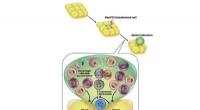
Lipid nanoparticles (LNPs):
- Lipid nanoparticles are widely used delivery vehicles for mRNA therapeutics.
- They consist of a blend of lipids that form a protective barrier around the mRNA molecule.
- LNPs can be chemically modified to enhance their stability, circulation time, and cellular uptake.
- The mRNA-LNP complex is taken up by cells through endocytosis, where it releases the mRNA into the cytoplasm.
Polymer nanoparticles:
- Polymer nanoparticles are another class of delivery vehicles for mRNA therapeutics.
- They are made of biodegradable polymers that form a matrix to encapsulate and protect the mRNA.
- Polymer nanoparticles can be functionalized to target specific cell types or tissues.
- Upon cellular uptake, the polymer matrix degrades, releasing the mRNA into the cytoplasm.
Cell-penetrating peptides (CPPs):
- CPPs are short peptides that can facilitate the delivery of mRNA therapeutics across cell membranes.
- They can be attached to the mRNA or formulated into delivery systems to enhance cellular uptake.
- CPPs work by interacting with the cell membrane and promoting the internalization of the mRNA.
Viral vectors:
- Viral vectors, such as adeno-associated viruses (AAVs) and lentiviruses, can be used to deliver mRNA therapeutics.
- Viral vectors efficiently infect cells and deliver the mRNA payload into the cytoplasm.
- However, viral vectors have immunogenicity concerns and may require careful optimization for mRNA therapeutics delivery.
Electroporation:
- Electroporation is a physical method that uses electrical pulses to create temporary pores in the cell membrane.
- This allows mRNA therapeutics to enter the cells directly without the need for elaborate delivery vehicles.
- Electroporation is often used in in vitro settings or localized in vivo applications.
The choice of delivery method depends on factors such as the stability of the mRNA therapeutic, the target cell type, the desired route of administration, and the scalability for clinical applications. Ongoing research and technological advancements aim to improve the delivery efficiency, specificity, and safety of mRNA therapeutics to enable their full potential in treating various diseases.