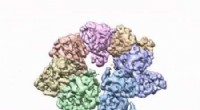
Enzymatic Degradation: Bacteria produce specific enzymes that can directly degrade and neutralize OSCN-. These enzymes include:
* Myeloperoxidase (MPO): Some bacterial species produce MPO, an enzyme that catalyzes the breakdown of OSCN- into less harmful products such as chloride (Cl-) and oxygen (O2).
* Thioredoxin Reductase (TrxR): TrxR is an enzyme involved in the reduction of oxidized thioredoxin, which can then react with OSCN- and reduce it to less reactive forms.
Hydrolysis and Scavenging: Certain bacterial species possess enzymes that can hydrolyze OSCN- into less toxic compounds. Additionally, some bacteria produce molecules that can directly scavenge and bind to OSCN-, preventing it from causing damage. These molecules include:
* Catalase: Catalase is an enzyme that catalyzes the decomposition of hydrogen peroxide (H2O2) into water (H2O) and oxygen (O2). Catalase can also react with OSCN-, converting it into less harmful products.
* Periplasmic Thiols: Some bacteria accumulate periplasmic thiols, such as glutathione and cysteine, which can react with and neutralize OSCN-.
Efflux Pumps: Bacteria can employ efflux pumps to actively transport OSCN- and other toxic compounds out of the cell. These pumps utilize energy to pump the harmful compounds across the cell membrane, reducing their intracellular concentration.
Alternative Metabolic Pathways: Certain bacteria have evolved alternative metabolic pathways that bypass or minimize the production of OSCN-. For example, some bacteria utilize alternative pathways for the synthesis of essential molecules, reducing their reliance on reactions that generate OSCN- as a byproduct.
Outer Membrane Modifications: Some bacterial species modify their outer membrane structure to reduce the permeability and uptake of OSCN-. This can include changes in membrane composition, such as the incorporation of specific lipids or proteins, that hinder the entry of OSCN- into the cell.
By employing these diverse mechanisms, bacteria can counteract the antimicrobial effects of hypothiocyanite and enhance their survival within the host environment. Understanding these bacterial defense mechanisms is crucial for developing novel antimicrobial strategies that target specific vulnerabilities in bacterial resistance to OSCN-.